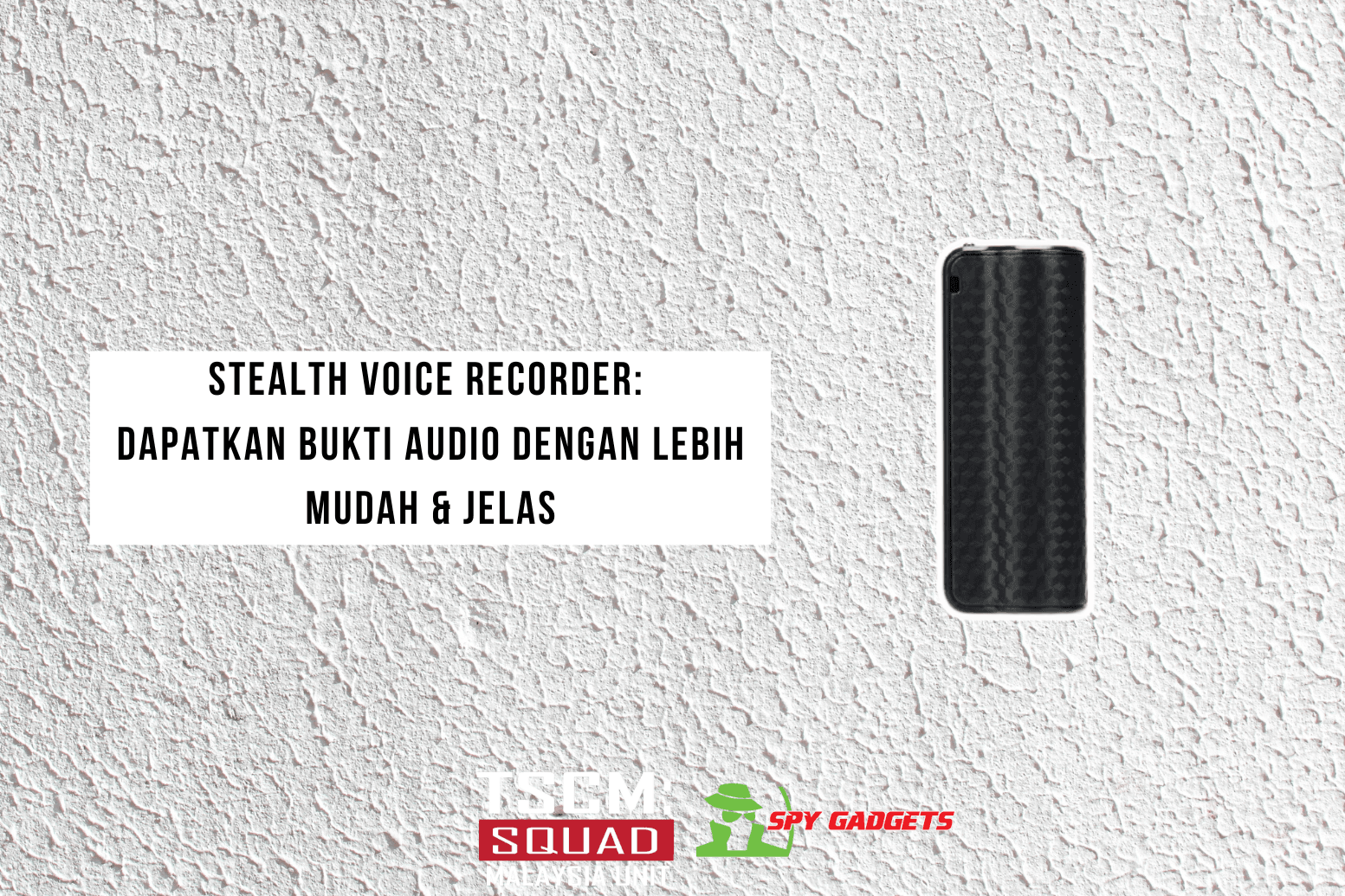

In the world of modern surveillance, wireless and pinhole cameras have revolutionized how individuals and businesses monitor their spaces. Their discreet design and advanced technology make them ideal for unobtrusive security. This guide will explore their features, applications, pros and cons, and tips for choosing the best discreet security solution.
1. What Are Wireless and Pinhole Cameras?
Wireless Cameras: These cameras use Wi-Fi or other wireless protocols to transmit footage, eliminating the need for extensive cabling. They offer flexibility in placement and are ideal for both temporary and permanent setups. 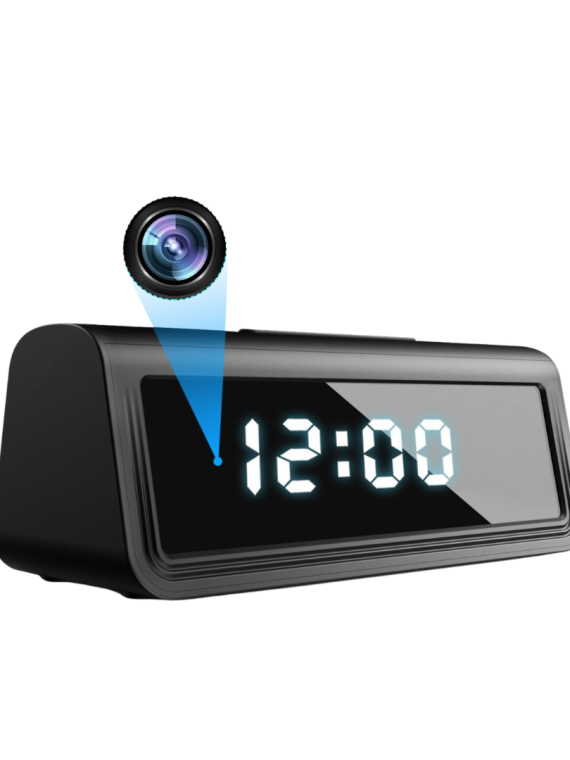
Pinhole Cameras: Named for their tiny lenses, pinhole cameras are designed to be nearly invisible, allowing for discreet surveillance. They are often embedded in everyday objects like clocks, smoke detectors, or even walls. 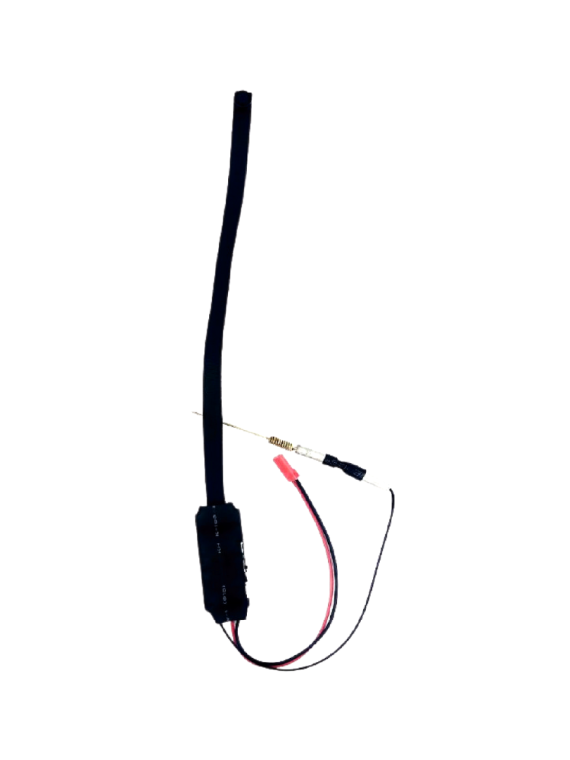
2. Applications of Discreet Security Cameras
Home Security
Monitor entryways, nurseries, or sensitive areas without obvious devices.
Business Surveillance
Keep an eye on employees, customers, or storage areas without compromising the environment’s aesthetic.
Law Enforcement
Used in undercover operations or sting operations for gathering evidence.
Personal Safety
Used as nanny cams or in vehicles for added security.
3. Advantages of Wireless and Pinhole Cameras
Discreet Monitoring
Their small size and wireless capabilities make them hard to detect.
Easy Installation
Wireless cameras eliminate the need for extensive wiring.
Remote Access
Monitor your space in real-time through apps on smartphones or computers.
Portable
Many models can be relocated as needed, providing versatility.
4. Tips for Choosing the Right Camera
Assess Your Needs
Determine the specific areas you want to monitor and the level of discretion required.
Prioritize Security
Look for cameras with robust encryption to prevent unauthorized access.
Test Before Installation
Check the camera’s range, clarity, and connectivity before finalizing its placement.
Read Reviews
Customer reviews can provide insights into real-world performance and reliability.
Consider Legal Implications
Ensure your use of cameras complies with local laws regarding surveillance and privacy.
5. Ethical Considerations
Using discreet cameras should always respect privacy rights. Avoid placing them in areas where individuals expect privacy, like bathrooms or bedrooms. Transparency, when possible, fosters trust and ethical use of surveillance tools.